-
08-31 / 2026
Research Highlight from Aisa: 324‑Million‑Year‑Old Amphibious Stem‑Insect Illuminates Insect Terrestrialization
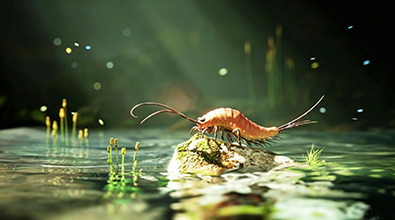
An international research team published findings in Nature, describing a new stem‑group insect Chosha praecursor from the 324‑million‑year‑old Late Mississippian Tesnus Formation in Texas, USA, offering crucial fossil clues about ho...
-
08-31 / 2026
Research Highlight from Aisa: 520‑Million‑Year‑Old Microfossil Pushes Back Cephalopod Origins
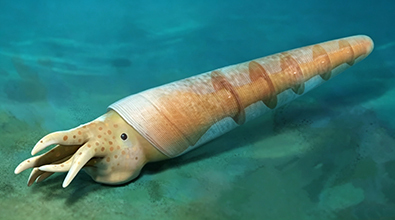
An international research team published in Nature reports Eoceras shaanxiense, the earliest known siphuncle‑bearing cephalopod, recovered from early‑Cambrian Shuijingtuo Formation (about 520 million‑year‑old) in southern Shaanxi, C...
-
06-08 / 2026
Research Highlight from Aisa: Cambrian Fossil Treasure Reveals True Origin of Bryozoans
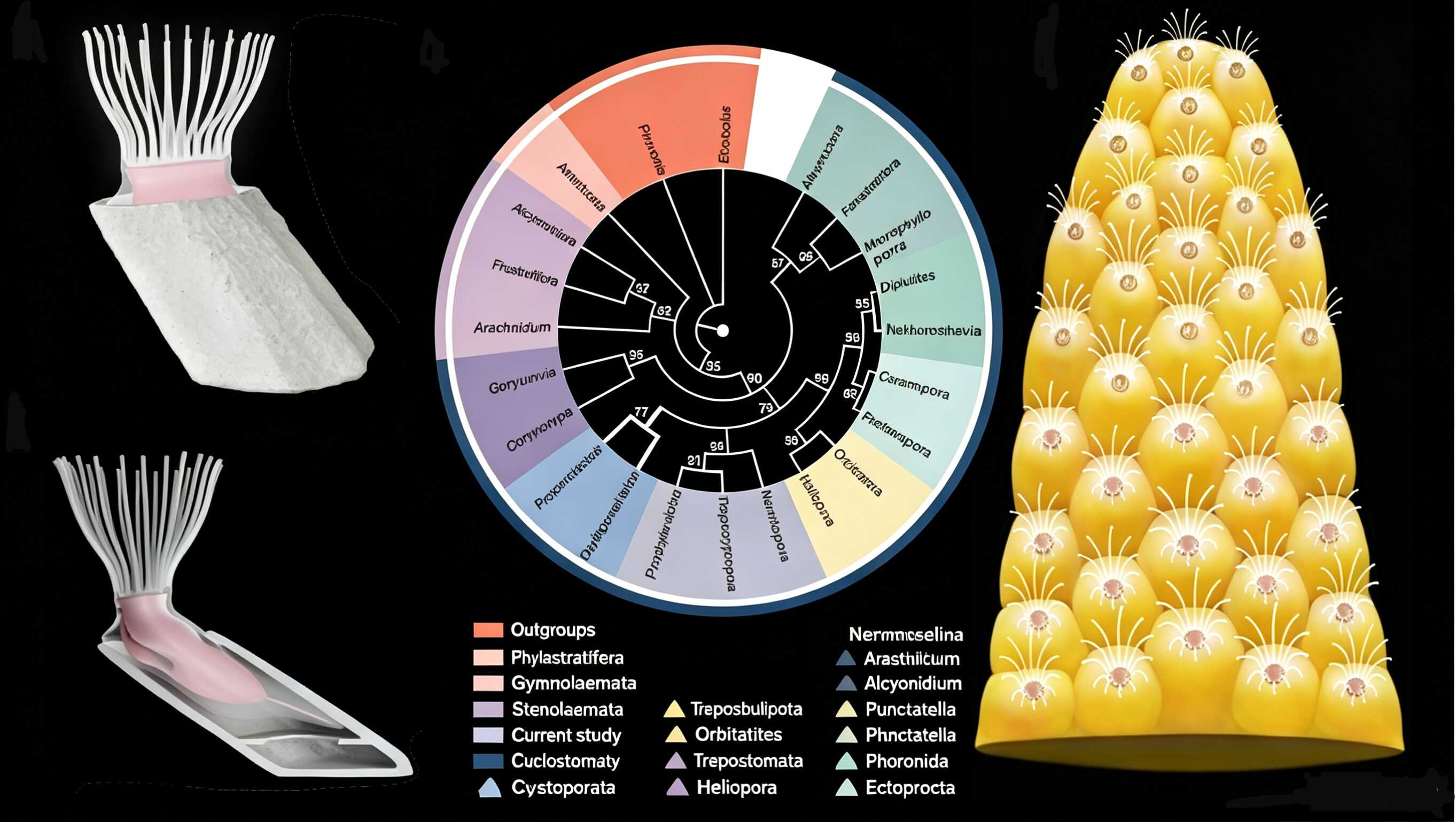
Exceptionally preserved 520‑million‑year‑old fossils from southern China have finally resolved the evolutionary origins of bryozoans, the only major animal phylum that seemed to have mysteriously escaped the Cambrian explosion.Discove...
-
05-14 / 2026
Research Highlight from Asia - Enamel Proteins Reveal New Clues about China's Ancient "Peking Man"
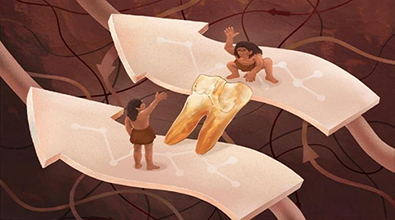
For the first time, scientists have successfully recovered ancient proteins from six Homo erectus teeth discovered in China, dating back approximately 400,000 years. This breakthrough, led by Qiaomei Fu at the Chinese Academy of Sciences...
-
04-04 / 2026
Research Highlight from Asia- Fossil Treasure Provides Key Evidence to Crack Darwin's Dilemma
Darwin was once puzzled: why do animal fossils suddenly appear in great abundance in Cambrian strata, while their ancestors are almost nowhere to be found in older rocks? For over a century, this mystery has troubled paleontologists.Now,...
-
01-29 / 2026
Research Highlight from Aisa - Newly Discovered Cambrian “Huayuan Biota” Reveals Life’s Miracle After Mass Extinction
In Huayuan County, Hunan Province, China, a chance event during the construction of a farm road has unlocked Earth’s life secrets buried for 512 million years. The “Huayuan Biota,” discovered by a team led by Academician Zhu Maoyan fr...